A surprising lesson from goose liver

Ever heard of TED? TED is this amazing compilation of though leaders on every subject from art to food to education.
Yesterday my brother-in-law B., who is a classically trained chef, sent me this link about lessons learned about food preparation from goose liver. As a guy who was trained that all things great come from the fats of animals, I appreciate that he has a much more ecological and dare I say even spiritual approach to food than his training provided.

I think there is a lot to learn from this 20-minute video that can apply to more than just fois gras. For instance, the same laws of nature apply to us as to the geese. When we ‘force feed’ ourselves the quality of our physical and emotional bodies is nothing close to what organically happens when we allow nature to be our guide. WE are more collaborative, connected, heartfelt, healthy, dynamic, and vibrant when we follow the wisdom of our bodies and nature.

As somebody who has spend a lot of time and money studying nutrition, I’ve always been incredibly disappointed in how little attention is paid to the personal experience of eating and relating with food. So much emphasis is put on the importance of ‘experts’ to teach you and I and everybody what we should eat, when we should eat it, and why. Isn’t it a bit ironic that one of the most basic tasks of survival, like eating, is so complex and confusing for so many people? We’re really pushed the nature right out of the whole process, from production to consumption. This is why people are so confused as to what to eat for healthy living. We’re taught to get so caught up in the external fascination with calories, fiber content, vitamins, etc that we forgo the synergistic benefits of treating ourselves as though we are part of the food system and therefore eating in relationships with it.

This video was a beautiful metaphor of how simple the solutions to our food experiences can be. Each of us, like the geese in the segment, have innate wisdom, that when cultivated, can guide us to answers about our own bodies and our own food needs. How can we practice listening more to them, and less to ‘experts’? Do you trust your inner wisdom? Can you tell the difference between a food experience that is born out of innate knowing and trust and one born out of fear or stress or feeling like you ‘should’ do something because somebody told you so?

Don’t get me wrong: there is a time and a place for expert knowledge. But that time and place should be used to compliment the efforts directed to learning about our own intrinsic awareness of our needs. Your body, your DNA, and your cells are very wise. You wouldn’t be here today if your genes hadn’t give you something very powerful to help you survive generation after generation and navigate the complexities of life. It’s true that our modern world changes quickly, but perhaps the answers to the food questions which arise as a result of modernization are really quite simple, just as they were for the geese.

What do you think?

A sneak peak at some cooking class favorites: Zucchini boat recipe

Hi all,

Today a little birdie (thanks G.) suggested that I could send some recipes from coop classes to those who are out of town.  Good idea -yes!  Well, for now, how about I reach a broader audience than just those whom I have an email address for.  Here is a sneak peak at some of the fun, tasty eats we prepare in the Davis Coop teaching kitchen.  Picture coming soon (when I get home!).  PS: these are super kid friendly and full of sneaky veggies.  Hey, you top anything with a little cheese and it’s more delicious. This is a great vegetarian dish because it’s colorful, filling and has a meat-like taste experience because of the cremini mushrooms.  ,

Zucchini boats with rice pilaf
Serves 6

3 large zucchini, at least 2.5-3” in diameter
1 tbsp olive oil
1 tbsp butter
2 tsp sea salt

1 tsp pepper
1 tsp marjoram
8-10 Cremini mushrooms, coarsely chopped
1 large celery rib, finely chopped
½ cup shallots, finely chopped

2 tbsp flat leaf parsley
2/3 cup wild rice, soaked for about 1 hour
1.5 cups vegetable broth
2-3 finely chopped Roma tomatoes
2/3 cup Parmesan or other dry cheese to top

Cut each zucchini lengthwise.  Scoop out the middle and set aside for use in the stuffing.  Meanwhile, lightly coat each zucchini with a tad of oil and a sprinkle of salt.  Bake at 350 for about 10 minutes on an uncovered baking sheet.

In a skillet, heat 1 tbsp butter on medium.  Add shallots and celery.  Sautee for about 3 minutes with salt and pepper.   Add mushrooms and marjoram, and cook another 2-3 minutes, mixing well.  Add zucchini and parsley.  Cook another 3 minutes.   Add drained rice and broth.  Bring to a boil and reduce to a simmer and cover.  Stir occasionally and let cook for about 15 minutes.  Add tomatoes and continue cooking until pilaf is done (another 5-8 minutes).

Fill each zucchini boat with a heap of pilaf.  Option to top each boat with cheese.  Broil for about 5 minutes, or until top is golden brown.


.


Cooking classes = great gifts!

In the past few years my huz and I have given each other ‘experiences’ instead of things.  I love it.  For instance, for my last birthday we did a cooking tour of the Mission district of SF that culminated with a really fun cooking class, put on by Parties that Cook.  The experience was far better than any sweater or perfume or whatever that he could have gotten me.

So, here it is holiday time and you might be in a kunundrum  about what to get that ‘hard to buy for’ foodie in your life.  Why not a cooking class?  Even better – why not a cooking class with me at the Davis Food Coop( sorry out-of-towners….but you can still come too, it’s just a bit of a commute!).

To entice you more, here is a list and description of what I’ll be teaching in the upcoming year.  PS: classes are only 25 BUCKS!  Can you beat that?  Nope,  I didn’t think so!

Dine on a Dime**

Wednesday, January 25, 6:00 pm

Quinoa turkey meatloaf, salmon burgers and stuffed chicken breasts might sound fancy but they are easy and affordable.  Learn how to integrate whole grains, veggies and flavors into these basics to create simple impressive meals everybody will enjoy.
Rebecca Tryon $25


Sourdough Sensations  
Tuesday, February 21, 6:00 pm

Making delicious homemade sourdough foods is easy, economical and tasty.  You’ll learn how to create your own start, kneading and rising techniques and more.  We will make a pizza crust, pretzels and pancakes. Vegan
Rebecca Tryon $25


Batch cooking: Layers of flavor*
Wednesday, March 7, 6:00 pm

Cook once and eat for a week.  We’ll prepare layered favorites like vegetarian lasagna, chicken enchilada casserole and Greek spinach pie.  All dishes freeze well for future enjoyment.

Rebecca Tryon $25

Meal memories in Iceland

By the way, this post has nothing to do with the holidays. Happy? Me too, I need a break. In fact, this post goes all the way back to March of this year when Matt and I hopped on a plane and traveled to beautiful, amazing Iceland.

Eating in foreign places (or just even new restaurants) is part of Matt and my ‘love language’ – you know, the way you show affection for one another. There is something magical about experience a new flavor or texture sensation with somebody you care about. For this reason we really enjoy staying in apartments where we can cook. Is that crazy? To want to cook on vacation? Maybe so, but it’s my favorite thing to do!

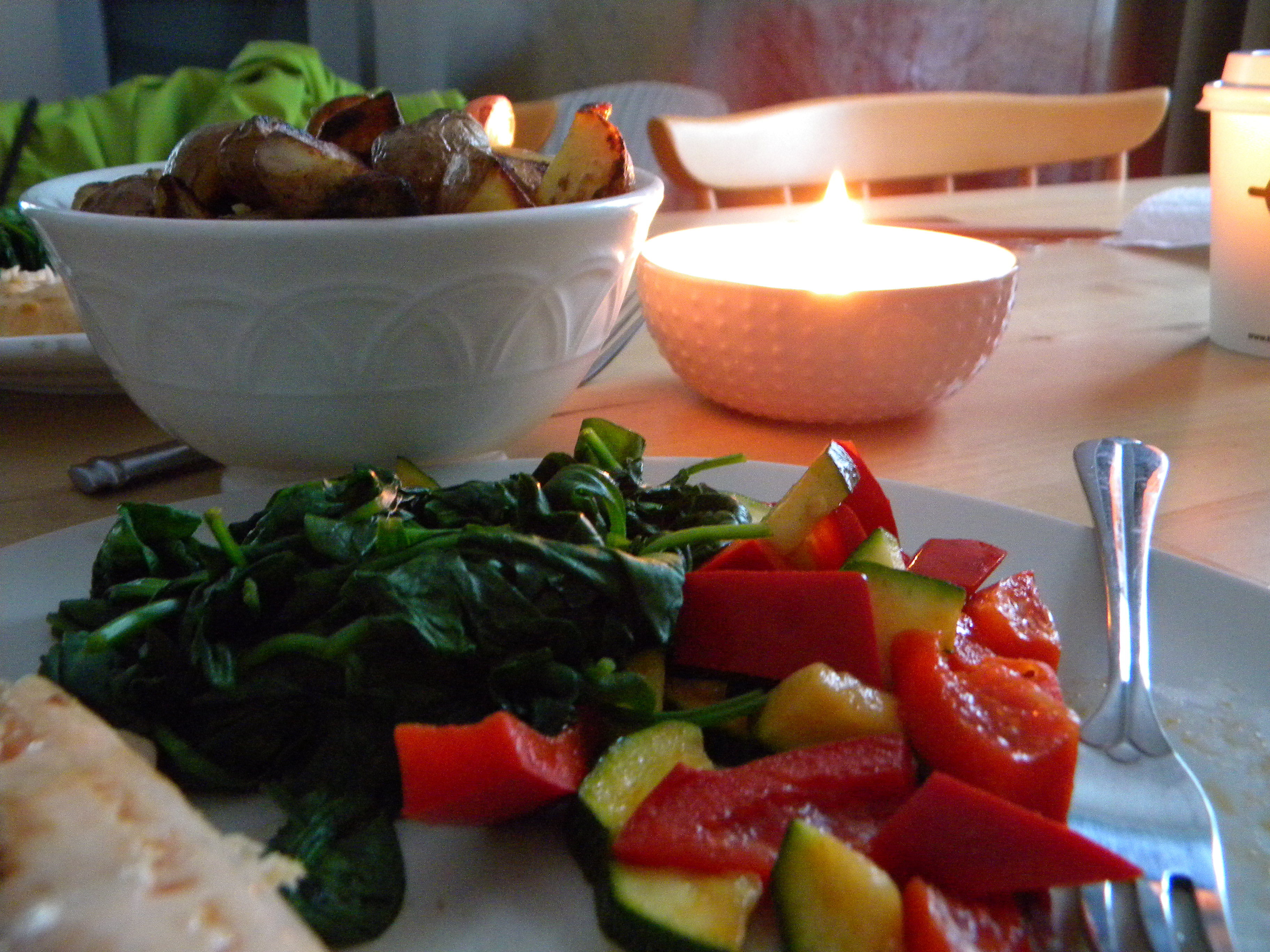
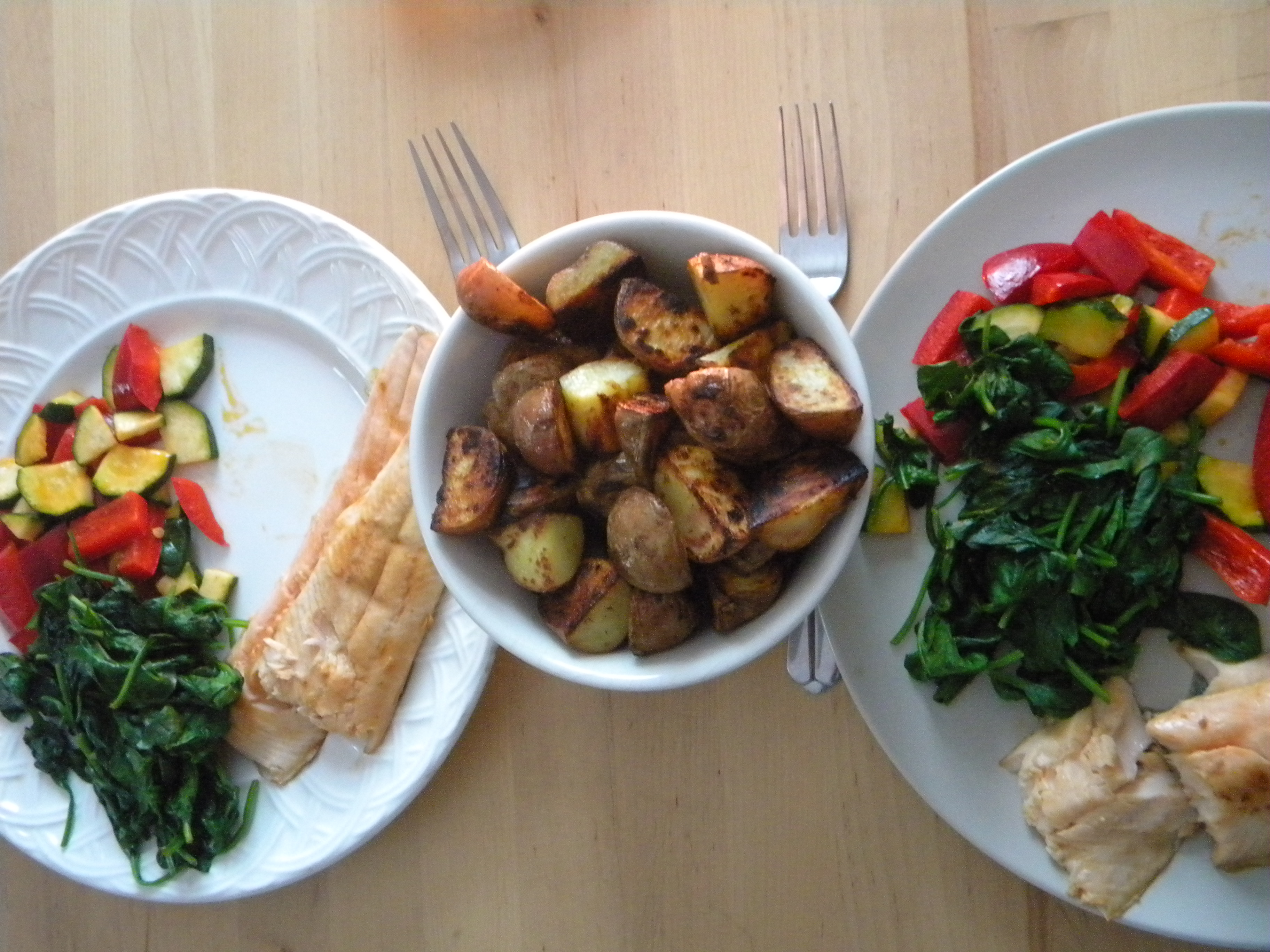
Take for instance, this lovely meal below. We perused the Sunday open air market in Reyjkavik to pick up fresh Icelandic Char (like Salmon), potatoes and green veggies. Look what we created! Icelandic food is naturally high in omega-3 fats (cold water fish), green veggies (kale, chard, collard type veggies grow really well), and their bread is dense and wheat-free. I LOVE IT!! Even their signature dessert, skyr with blueberries, is low fat, high protein and very low in sugar.

atlantic chard, kale, veggies and fingerling potatoes in Reykjavik

Cooking in another country makes me feel more connected with the culture. Sure, I like restaurants too, but I feel this bond with people when I can actually do what they do, eat what they eat, and know what is available on a day to day basis. This probably explains why I have so many pictures of grocery stores when I travel!

how nice, pictures for foreigners

PS: we passed on the horse meat, but did try plenty of other exotic foods, such as smoked whale meat. Yes, I did say whale. Sorry. They eat whale in Iceland, along with the bird Puffin like it’s chicken. I’m sure the makers of Puffin Cereal would be very disappointed, but I’m not making this up. See, here is a menu to prove it!

Something that I’ve learned about myself through the years is that the way I experience a meal has a tremendous impact on how I see the food on the plate, how it digests, and how I either support or sabotage my efforts to avoid emotional eating. I can have a smorgesbord in front of me and if I’m in a place of gratitude, love and appreciate for the opportunity to savor the food and the experience, I can eat in peace. If I’m in a bad mood, if I’m looking to eat as a way to cope with stress, or anything like that it won’t matter WHAT I eat, I will feel badly about it. Traveling and observing how I relate with food when I see it as a cultural experience was one of my first clues as to the fact that eating behavior can have very different meanings depending on what attitude I bring to the table, so to speak.

I’d love to hear from you about what you love to do when you travel and experience food and eating in different cultures. Do you also notice a difference in the way you see food (especially dessert for me!) when you travel versus when you are at home? Oh, please tell me I’m not alone in this 😉

I will leave you with a little enigma here. The flip side of food experiences in new cultures is the mystery food. For instance, what the heck is in the picture below? We never really did figure it out,but it was going like hotcakes at the Sunday market. Hmm…..some foods are better experienced through the camera than the taste buds 🙂

It's a lasagna? It's a shrimp cocktail? It's dessert...umm...what is it?

Teeth need love too

Hey bloggies, as a woman who has paid dearly (literally and figuratively) for the impact of sugar on my oral health, this may be something to pay attention to….

From a very young age we all hear plenty about how to care properly for our teeth. When we are children our parents teach us how to brush, and how often to do so (remember the drudgery of brushing before bed EVERY day…??); as we grow older, we tend to start having regular dental appointments, usually set up by our parents until we leave the house. And, when we are finally our own, many of us turn to store products and websites like topdentists.com/ for additional help and advice in keeping our teeth clean and healthy. However, while proper dental techniques are a must, and while the right advice can certainly help, it is still important to remember that true dental health goes well beyond how often you brush, or which sort of mouth wash you use. One of the most important elements of oral health, that many people overlook, is that what you eat plays a huge role in your oral hygiene and dental health. For example, you may have heard that sugar can be extremely harmful to your teeth. This, in fact, couldn’t be more true, and the topic is worthy of further explanation in order to gain a more thorough understanding of what excessive sugar intake can do to your mouth and teeth.

Common oral problems such as cavities, gum disease, and general decay, are caused by bacteria, if they are allowed to grow abundantly in your mouth. The results of bacteria overgrowth are familiar to most of us: they are the typical the things that you see in an unhealthy mouth, and the kinds of things that dentists remark on when you go for a visit.  Essentially, given the proper conditions, bacteria that feed off of food, drink, and other things put into your mouth, will thrive and attack your teeth, ultimately resulting in often painful and usually visual decay.   This is especially true if your food or drinks containing sugar.  Sugar is a quick and potent food source for oral bacterial.  The endpoint of eating sugar without proper tooth care could be gums disease, cavities, and even the complete loss of teeth, if the problem is left unattended.…and nobody wants that!

However, far too many people make the crucial mistake of waiting until these problems exist to address them.  The fact is that it would be far easier to nip dental problems in the bud, which in many cases means addressing the core problem of sugar intake.  Quite simply, the sugar that is consumed acts as a feeding force for bacteria, and invites the bacteria to thrive and grow more quickly. Every single time that you allow sugar to enter your mouth, you may be enabling the bacteria that live in your mouth to grow stronger and more dangerous, and you are therefore endangering your dental health. So, the ramifications of sugar intake go beyond just weight and blood sugar issues. 

However, there is good news.  This doesn’t mean that you need to completely avoid sugar in your diet to have healthy teeth. However if you are going to indulge, you must be aware and take precautions to care for your teeth if you want your teeth to be there for you in the long run!   The best advice is to brush your teeth immediately after eating the sweet treat.  Remember that this includes sugars found in yogurts, juices, milk products and cereals as well as the more obvious culprits, such as desserts.  You could avoid a lot of pain and costly dental work with this simple approach to oral health.

So, don’t be shy to carry a toothbrush with you to work or special events where you’re likely to consumer sugar, and don’t hesitate to contact your dentist with more questions.


Uncategorized

herbalicious


hey bloggies

just a quick note to say that I found a great deal on organic herbs at Trader Joe’s today.

What kind of a deal?  Organic sage and other herbs for just $1.79/pkgs.  Usually they are $1.99 for 2 oz at the grocery store and they aren’t organic.

One more reason I HEART TJ’s!

BTW: I’m making marinated Pork Loin for a dinner par-tay.  I marinated thinly cut pork loin with fresh sage, rosemary and parsley with olive oil, salt and a little pepper.  I refrigerated them for 2 hrs, let them sit at room temp for 20 min and now they are going on the skillet for 3 min/side.

YUM!

Have a great Friday evening bloggies!

Uncategorized

Baklava the Off-White way

Greetings bloggies,

Tis the season!  For me this time of year begins a month long nostalgia for baked treats and sweet goodness from my childhood.  In the Fellows household (my maiden name) we started baking before the Turkey was in the oven on Thanksgiving and didn’t stop until the champagne glasses clinked on New Year’s eve.  Oh, the heavenly smell of baking chocolate chip cookies and the divine taste of mom’s homemade “See’s Candies”.  Yes, friends, those were high times.  Nothing was so great as plopping into bed with sugar-induced food coma brought about by frosting sugar cookies (one spoonful for the cookie, one for me) or mixing up the batter for decadent treats like “Brownie candy” and homemade caramel popcorn.  Yes, we went all out.  Any wonder I was a sugar junkie?

Now that I’m older, I do things a little differently.  I choose not to invite in the sugar comas and confectionary indulgences like I did as a kid.  They just don’t work for me anymore.  So that means less baking and more basking in the light of my memories when I want to walk down candycane lane.  However, I do like to enjoy a little baking….I mean, a girl has to live – even if she is an “Off-White” girl.

So, today what I share with you is a modification of mom’s homemade family recipe for Baklava.  I’ve boosted its bounty a little bit with a few tweaks and changes, but I think you’ll still recognize the Mediterranean favorite here.  It’s also a vegan dessert if you use vegan margarine instead of butter.

16 oz whole wheat Phyllo dough.  I use Fillo Factory from the Coop.

10 oz chopped almonds
2 tsp cinnamon
½ tsp nutmeg

¾ cup butter, melted

¾ cup honey

1 tbsp lemon juice
2 tsp grated lemon zest
a handful of cloves (optional)


Preheat oven to 350.  Roll out phyllo dough from the box.  Slice in half and put one half back for later use.  Use butter to grease a 9×9 baking dish.  Lay out the phyllo dough so it’s nice and straight.  Cover with a damp cloth to avoid over drying.   Mix the nuts with the cinnamon and nutmeg.  Layer 2 sheets of phyllo in the baking dish, pushing the dough to touch the edges.  Add a basting of butter with a basting brush.  Sprinkle on 3 Tbsp of nuts.  Repeat this process until all the phyllo dough is used, except 6 layers.  The top layer of phyllo should be 6 deep.  Baste with butter, but don’t add nuts.  Trim any excess dough, which there will likely be some of.  Carefully cut into 1” squares with a very sharp knife, being mindful not to squash the phyllo or tear to abruptly. 

Place one clove in the center of each square if you like.


Bake for 25 minutes, or until top is golden brown but not burning.  In the meantime, heat the honey on low.  Add the lemon juice/zest and stir. 

Once the phyllo/nut dish is out of the oven spoon the honey mix over the top, make sure to let it drip between the creases where cuts were made.  Thoroughly cover the top with the honey mixture.  Set aside to cool.  Once cool, you can cut the squares out and put in a cupcake holder to serve.  This makes about 30 squares.


moo juice

By request, I have written a brief dissertation on the in’s and out’s of eating dairy.  Recently my dear friend, soul sista and ayurvedic practitioner, Britt, asked me to harness my nutritional knowings and share some thoughts on the subject of consuming dairy.  Most of use consume dairy in the form of moo-juice and moo-juice derivatives like cheese, yogurt, ice cream, coffee cream, and just plain ol’ milk.  Here’s a little something that might help you decide whether or not dairy fits into your dietary ideals.

 First, let’s talk about the current recommendations to get three servings of dairy/day.  This is a result of two things:  A VERY powerful influence by the dairy industry (the National Dairy Council has bookoo bucks!) and also because dairy provides some basic elements that are essential to human health.  Eating dairy is a cheap way to get your calcium, Vitamin D, lean protein, potassium and magnesium.  These are not nutrients that most Americans get enough of.  Further, cultured dairy, like yogurt, offers up a pro-biotic benefit that can help keep your colon healthy.


For a while it was proposed that the calcium in dairy would help with weight loss.  This was not proven true in recent studies, but another thought is that the satiating elements of the protein and fat might reduce intake, and thus help with weight loss.  Recently calcium was linked with reduced risks of some cancers, such as colon cancer.  But here’s the deal:  Dairy is NOT the only way to get calcium, or these other minerals mentioned.  Not even close.  Some studies link dairy, in general, with increased risks of cancer and that may be due to the casein, it’s hard to say.


There are many great food sources of calcium, magnesium, potassium, and lean protein that don’t contain dairy.  Vitamin D,….well, that is a tough one.  Supplementation is a realistic option for those living in low light states (like the Pacific Northwest), and there is some Vitamin D in mushrooms grown under UV light and fortified foods.  Otherwise, no natural food sources exist, and hence dairy is an easy go-to for Vitamin D. (as are dairy replacements, such as rice, almond and soy milk).  Regarding calcium, you can get 20% of your daily calcium and about 15% of your daily iron needs from a serving of blackstrap molasses.  Strawberries, kale, collard greens, broccoli, tofu and a slough of other veggies and fruits contain significant amounts of calcium, and some of them contain magnesium and potassium as well.  The problem is that most folks don’t eat a lot of them, so again, dairy is any easy win when it comes to certain nutrients.


When it comes to the protein of dairy, we can learn a lot from the story of little miss muffit, who sat on her tuffet eating her curds and whey. Curds represent the casein (making up about 80% of dairy protein).  They curdle when exposed to acid, and solidfy (hence the curds). Casein contains most of the nutritive proteins in dairy, as they provide a complete protein (all the essential amino acids).  The whey is the liquid portion that is more prominent in the foam of cappuccino, and is less nutritive than the casein but has important nutrient transporter proteins and enzymes.  So, together the dairy proteins do some big jobs.


What becomes problematic is that, aside from lactose intolerance (which is about the milk sugar), many people have difficulty in digesting casein, and may not even know it.   That makes dairy the wrong choice for some people.  If you feel achy joints, constipation, mental fog or lethargy, or irritability, headaches or other symptoms after consuming dairy, you might have sensitivity to casein and it is best to avoid it.  Beware, casein is a binding agent in many foods that don’t otherwise look like dairy containing foods, so read labels ( calcium casein is a common one or caseinate).


Cow dairy is not the only dairy we consume.  Goat, sheep and yak dairy (okay, that one only applies if you are in the Himalyas), are also consumed by humans.  You can look to your ancestry to see whether or not you come from cow milk consuming cultures, such as northern Europe, or goat/sheep milk clans, such as in the Mediterranean.  You might consider eating more of your indigenous dairy sources, since it is likely your genes evolved to digest THAT diary (proteins) over other species.  Sheep and goat milk have more protein and less fat by weight than cow protein.  There isn’t a lot of research on their benefits or issues with them, so it’s hard to say if they are implicated in health issues.  Some anti-dairy advocates also say that even unpasteurized, organic dairy, is not worth the potential increased risks of cancer and lack of evidence on dairy helping with weight loss.


So, then what about protein supplements, such as whey protein supplements?  That is a HUGE topic and again, depending upon who you speak with, the opinion differs.   Has much research been done on the digestibility and health benefits of these supplements, side by side?  I haven’t seen much.  I do know that buying protein supplements that are just a bunch of single amino acids compiled together may be a waste of your money.  Why, you ask? Because many amino acids are digest as dimmers, meaning they want to be linked to one other amino acid.  When you isolate each one and get only monomers, such as in supplements, you may be paying for a less optimal product.  Why not use yogurt or some milk if you are going to make a protein smoothie with whey protein?    Also, colostrum is now being used as a new superfood in some proteins.  It is very energy dense, but again, the question remains whether or not this is a nutrient source humans need to consume.  Aside from newborns, colostrum is not a food source for growing humans, so we are probably fine with out.  No, we are definitely fine without it.  Other supplements include casein and whey, thus may be more reflective of what occurs naturally in milk, but watch the other additives.


In short, the story on dairy is that ‘it’s complicated’.  You have to ask yourself how you feel when you consume it?  Are you over-using dairy?  One thing is certain – eating more dairy and less grains/veggies/healthy fats is NOT the recipe for healthy living.  Watch serving sizes and quality of dairy sources.  Avoid rBST, the hormone used to make cows grow big and strong.  It’s banned in most of Europe and it’s easy to find rBST-free sources in the USA if you look. Buy organic when you can because you’ll get less exposure to pesticides and also because it is possible that pasture fed dairy contains more essential fatty acids, though that is not certain..  I also recommend buying dairy in opaque containers, as light can break down some of the nutrients.  Go organic, but remember that organic nutrients digest the EXACT same way is inorganic.  If you can find raw milk from a trusted source, aim for that, however this is location and cost prohibitive for most people.

Want another perspective on Dairy? Consider this article
A healthy girl’s guide to over-eating this Thanksgiving holiday…….

Pop quiz: What causes people to eat more than they anticipated on Thanksgiving:
a. Boredom “hmm…..I’ve been sitting were watching football with the fam all day…so I might as well dip into these chips and salsa sitting in front of me..”
b. Stress “OMG, two full days with the in-laws AND their yappy little poodle and I have no exit strategy…..where is the Pumpkin pie???”
c. Sheer volume of food in front of you “….hmm, of the 50 platters of food on the table, which 10 am I going to eat? Is that too much??”
d. Mouth-gasms from tasty eats “…I know my stomach is about to pop but mom’s stuffing is SOOOOO good……who can stop eating when it’s this good?
e. Mindless eating “…hey, did we really eat a whole wheel of brie and a box of crackers while catching up and chatting…oops!”

Answer: ALL OF THE ABOVE!!!
But, fear not. It doesn’t have to be that way! If you really want to, you can escape this Thanksgiving day without the extra helping of guilt, regret, heartburn and having to undo the belt a knotch.

First of all: Don’t panic. I’ve noticed after coaching a lot of intelligent, motivated, confident women that there is a lot of anxiety about expecting the holiday to be a day of total gluttony. It’s as if we feel totally powerless to the onslaught of food that is about to befall us. You DO have power, you just need to realize this. Nobody is forcing you to eat and if you simply employ a few mindful strategies, you can wake up on November 25th feeling pretty good (which, by the way, sets you up for more mindful, balanced eating for the rest of the weekend!).

Here’s what I learned over the years from books, from myself, and from amazing people like YOU who have contributed to this over-eating guide for the holidays (or rather how to NOT over-eat if you don’t want to) this holiday season.

Okay, strategy #1: Don’t panic. Now I’ve said it twice. Thanksgiving is ONE Day. It’s what we do habitually that contributes to our outcome (weight, mindset, health) rather than the occasional holiday meal. So keep it in perspective. It is not a free pass to excess eating between tomorrow and Christmas unless you allow it to be. It’s one day. You can do this and it’s okay to enjoy it, by the way!

Strategy #2: Go in with a plan. I love coaching women on devising their holiday meal plan. What do you really love to eat at the holiday that is special, delicious, and you wouldn’t want to pass up? Is it stuffing? Great? Put some on your plate and don’t feel guilty. Is it pie? Fine! Save room in your belly for dessert. Look at the whole day – there is likely some foods that are no big deal to you (like, say, the chips and salsa appetizer). Skip on those foods and plan to enjoy the foods you want.

Strategy #3: use a plate. What? No, I’m not trying to insult you by implying that you eat like barbarians, but when it comes to mindless, grazing food behaviors usually plates and utensils are cast to the wayside. If you are going to ‘graze’, treat it like a meal. Small bite calories add up just as much as big bite/portion calories do too. Stop fooling yourself! Be willing to commit to the eating experience but engaging in use of flatware. You’ll potentially put less on your plate and you’ll have a visible sign (empty plate) that tells you it’s time to stop.

Strategy #4: Position yourself strategically away from the tempting foods. This may not apply so much when you sit down to eat dinner, but a lot of people eat much more before and after the formal ‘meal’ when they are just hanging out, watching football, visiting with friends, etc. Literally don’t sit next to the food you can’t stop eating. Get yourself out of arm’s reach so you don’t hear the whisper of those Swedish meatballs or cheese cubes or whatever food calls you. If you aren’t hungry, don’t even get out a plate. Sit and talk and watch and take in the day for what it is! Also, maybe even consider sitting with your back to the food or putting the food away when the meal is over so that temptations are minimized.

Strategy #5: Move yo’ body! Play Wii with your pre-teen nieces and nephews (or kids…or heck, your adult friends too). Offer to take fluffy for a walk, do a Pilates video in your room (you brought your Smartphone, right? Load one up!). There are so many ways to move without going to the gym, you don’t need to find one that works for you. As they say….Just do it! It’s not so much for the calorie burning (which is good) as it is for the mental sanity and confidence it will bring you that you uphold standards of health and wellness, even on holidays.

Strategy #6; Eat a protein-rich breakfast. Nothing too heavy here, but don’t start the day with cinnamon rolls. You’ll get plenty of sugar later, right? Eat some eggs, some turkey sausage, some yogurt, or some high protein cereal. Maybe even squeeze in a vegetable (veggie omelet?). Even cereal with fat-free milk might be too much carb, but at least there is some protein in the milk. This may help you feel fuller faster later in the day and it will help kick start your metabolism.

Strategy #7: umm…ever heard of WATER? People forget to drink water at holidays. What with all the soda, sparkling juices, beer, wine, liquor, Egg nog, hot totties….you get the idea. You need water. If you are inside a hot, stuffy kitchen wrangling a 25-lb turkey, you better darn well drink some water to avoid getting even minorly dehydrated. Water is the elixer of life!! It is also the currency of your metabolic processes, so drink up to your digestive health!

Strategy #8: For goodness sake, be GRATEFUL! Is it a cliche to be reminded of this over and over again? Maybe, but it’s true. Be grateful for your body and how it can tell you when you are doing things it likes, and doing things it doesn’t like. PS: it doesn’t like being over stuffed to the point of oblivion. It’s trying to tell you that, so maybe you can make an attempt at listening today. Partner with your body on Thanksgiving morning and make an agreement that it will give you some liberties to enjoy an indulgent meal, but you’ll do your part not to expect digestive or caloric miracles by keeping a balance to things. YOu’ll know that the agreement worked when you go to bed feeling good, nourished, content, and you didn’t even need to open the medicine cabinet for some help.

Happy Thanksgiving, everybody. 🙂

Not another Pumpkin Pie recipe??!!

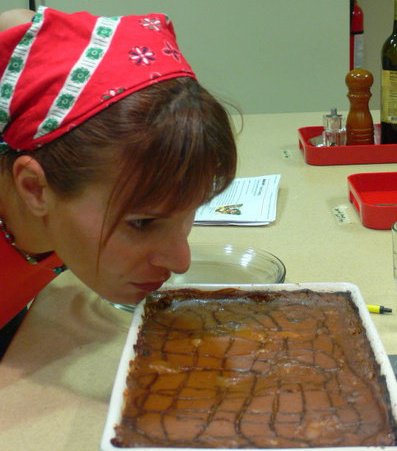
mmm....smells ready to eat!

Are you sick of seeing Pumpkin Pie recipes as we get closer and closer to T-day? If so, I apologize truly, but it’s got to be done. One thing I can promise you is that I be you haven’t seen too many that include coconut milk and are dairy free (as in cow/sheep/goat-based products. They still have eggs, but that is a different class of animals entirely).

I’ve made the pumpkin pie so many times for so many people and they all love it. The proof is in the picture here: I am whipping it up for a cooking class ad the Davis Food Coop (Did you get your Diestel turkey for this year yet??) One thing to watch out for: it takes a bit longer to ‘set’ than a regular pumpkin pie, so plan to bake it a couple of hour early.

Whatever your plans and whomever you feed remember that the operative word in Thanksgiving is “THANKS”. Be grateful and accept compliments and expressions of gratitude that come your way. I think people have a harder time taking in gratitude (for them from others) than giving it out at times. Both are a part of the balance of life 🙂

Pumpkin Pie (PS: you can also just use any regular crust. PPS: if you live in Davis, Nugget market has organic whole wheat pie crusts on sale for $1.99 each. Yowza!)

This variation is slightly more mousse-like than its original counterpart. You can vary the amount of agave nectar, depending upon how sweet you like it. You can The pie filling is milk-free, for those who are lactose intolerant.
Ingredients;

1 large can of pumpkin (make sure it is pumpkin and not pumpkin pie mix)
¾ can of coconut milk
2 organic eggs
2 tsp: nutmeg, cinnamon, cloves (add more if you like things rather spicy)
1 tsp lemon zest or lemon extract
½ – 3/4 cup agave nectar, brown rice syrup or other unrefined sugar
1 Tbsp blackstrap molasses + molasses for drizzling
1 pre-made spelt crust (Whole foods, Lifesource or Wild oats) OR banana/walnut crust (see below)

Mix all ingredients in a large mixing bowl until smooth. Pour into a 9” pie crust. Drizzle 1 spoonful of blackstrap molasses on top of the pie (you can even write something if you’d like).
Bake at 425 for 40-50 minutes, until a knife comes out clean from the center and edges are browned. Serve warm.

Banana Walnut crust:
2 ripe bananas, mashed with a fork
½ cup finely chopped walnuts
Cinnamon, to taste
Mix the three ingredients in a bowl and then press into the bottom of the greased pie baking dish.